Divide the quoted land price by the area being sold in square yards. Compare offers only after the unit, included costs and exact parcel are clear.
Start with the seller’s dated quote
Record the survey or final-plot number, village, quote validity, total consideration and the area covered. A region-wide indicative price gives you no basis for valuing a particular road edge or permitted use.
Separate base price and payable total
Keep two columns. Use the base price for the per-unit calculation. Use the total of the quoted price and confirmed extra costs for your affordability decision. Ask for a fresh breakdown if a fee is calculated on another amount.
Check the denominator
A saleable plot, the gross parent survey and a development including internal roads can all have different areas. Get the denominator from the proposed sale schedule.
Read the rate beside its conditions
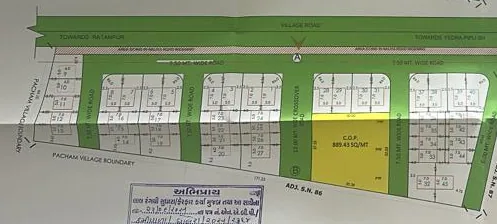
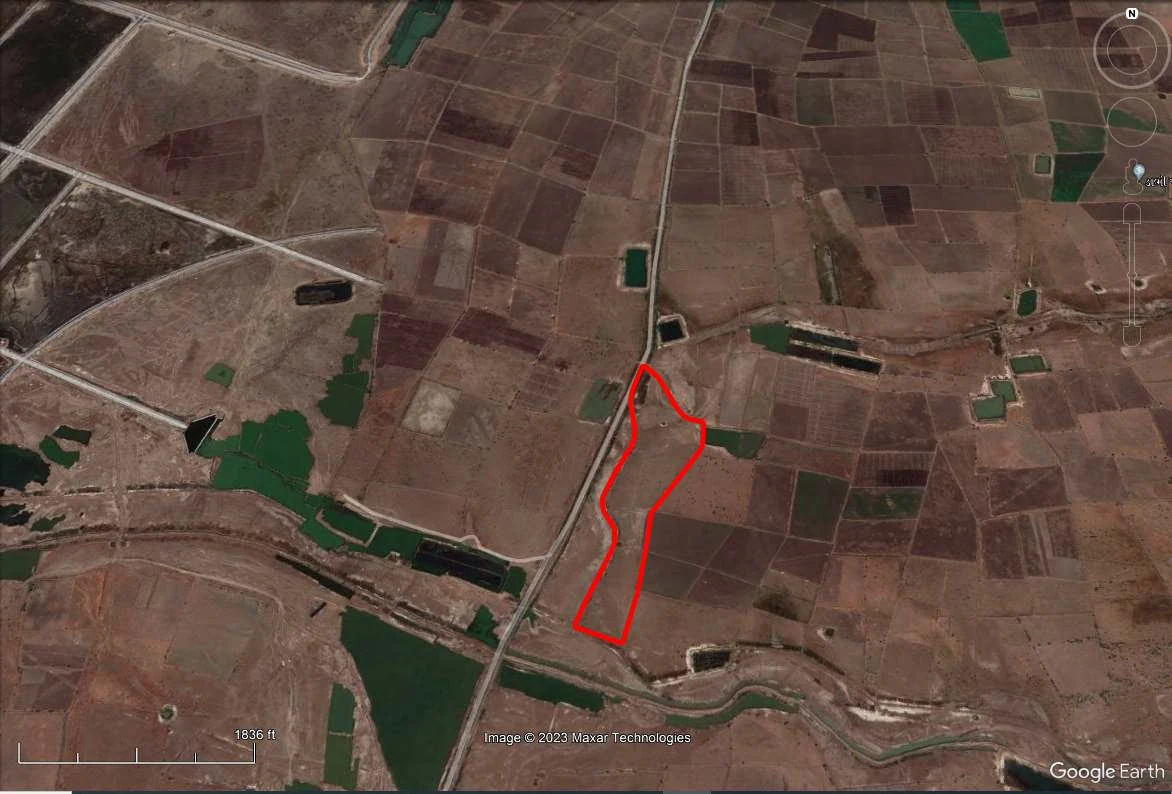
A rate becomes useful when you know the quoted area, unit and inclusions. Ask whether the seller is pricing a whole survey parcel, an individual numbered unit or another documented portion. Record the quotation date and how long the offer stands. Keep a copy of the plan that identifies the land associated with the rate.
Create a like-for-like price sheet
Use one working unit for every offer. Place the original area and converted area in separate columns. Keep charges supplied by the seller separate from charges estimated by your adviser. If two quotations include different services, ask for an itemised breakdown so you can see where the totals diverge.
A hypothetical rate calculation
For illustration, 100 sq yd at an assumed ₹10,000 per sq yd produces a land amount of ₹10,00,000. This arithmetic example uses an invented rate purely to explain the calculation. It carries no price information about the parcels in this directory. Change the area and rate in the calculator below to work with an actual quotation.