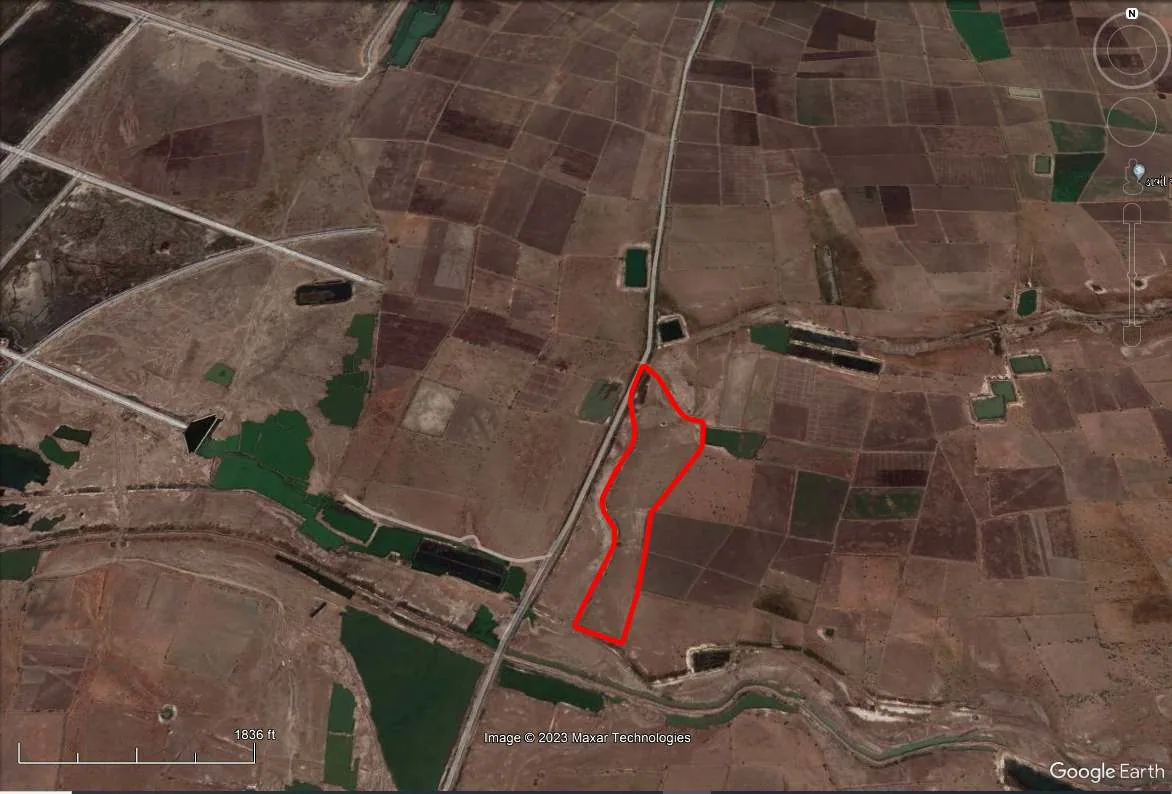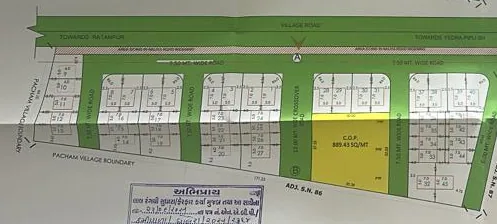
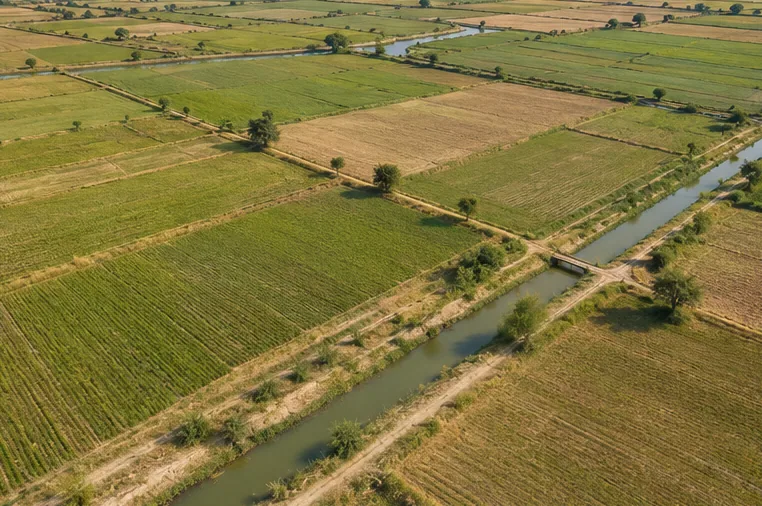
Set an all-in spending limit first. Compare the area you can actually buy after allowing for registration, professional checks, access and future site work.
Build a spending ceiling
Write down the amount you can commit to the land today. Keep separate allowances for the survey, legal review, transaction charges and any work needed before you can use it. Ask which items are already included in the seller’s quote.
Check the minimum purchase
All three published areas describe whole parcels. A lower price per square yard can still mean a larger total commitment. Ask whether a smaller part can be sold separately and request the specific subdivision drawing.
Put the alternatives on one line
For each offer record saleable area, unit, quoted total and costs still to confirm. Keep an unpriced item open until the seller gives you a breakdown.
Build the budget around the exact unit
Decide how much cash you can commit, what area you actually need and how long you can hold it. Ask the seller to identify the sale unit before comparing an advertised starting amount. The size on a whole-parcel brochure and the size of a portion offered to you can differ. Your written quote should put the offered area, unit of measurement and quoted rate on the same page.
Compare the cash outlay in stages
Ask which amounts are due when making a booking, signing the agreement and completing the transaction. Keep a separate allowance for the charges your advisers identify. Record who pays for measurement, document copies, brokerage and any service connection. A smaller initial payment can still lead to a larger total commitment, so compare the complete payment schedule.
A practical budget conversation
Imagine two hypothetical offers at the same rate per square yard. One measures 100 sq yd and another 150 sq yd. Their land amounts differ by 50% before any other charge. If the first offer includes a documented road edge and the second needs further access clarification, add that unresolved issue to your comparison alongside the figures.